



How to Use Internal Linking to Boost Rankings
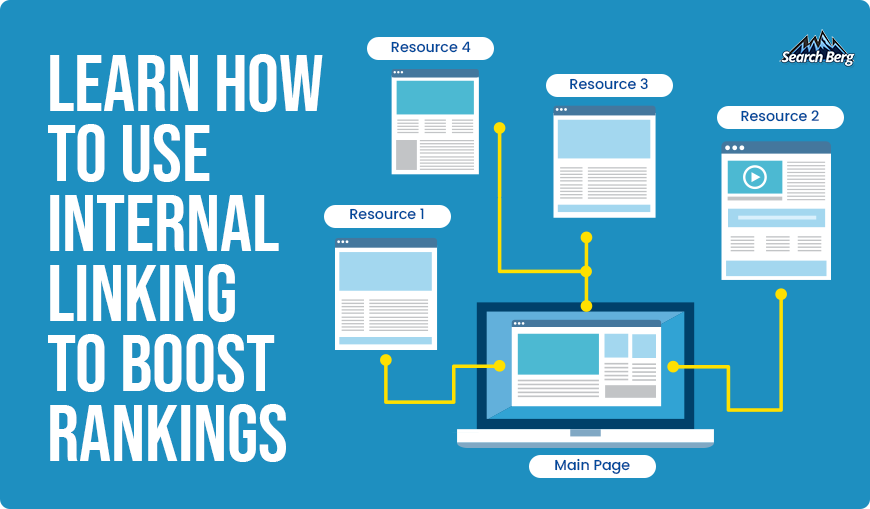
Internal linking to boost rankings is one of the simplest yet most overlooked SEO tactics. By connecting pages across your site, you pass authority, guide search engines, and help users discover valuable content.
Unlike backlinks, which depend on external sites, internal links are entirely within your control. A strong structure provides search engines with clear signals about which pages are most important. Done correctly, this improves visibility and creates a smoother user journey. This blog breaks down proven internal linking strategies, best practices, and common mistakes to avoid. You’ll also learn how to audit your current setup for maximum SEO impact.
Why Internal Linking Matters for SEO
An internal link connects one page on your site to another. Beyond guiding visitors, it plays a major role in SEO performance. Google’s Search Central documentation emphasizes that linking helps crawlers discover new content and understand relationships between pages.
A well-planned internal linking strategy ensures that link authority flows evenly, supporting both main service pages and supporting articles. This process, sometimes called internal linking crawl equity, ensures search engines prioritize the right URLs. Strong linking also reinforces topical relevance. For example, if multiple articles about technical SEO point back to a detailed guide, Google interprets that guide as authoritative.
The benefits also extend to users. Internal links enhance navigation, decrease bounce rates, and enable readers to find answers quickly. When crawlers and users both benefit, your rankings gain long-term stability.
Building an Effective Internal Linking Strategy
An effective internal linking strategy goes beyond random connections. It requires structured planning. Think of your site as a hierarchy, where certain “money pages,” like services or product categories, deserve more authority. Supporting pages, such as blogs or FAQs, funnel relevance add authority to these high-value targets.
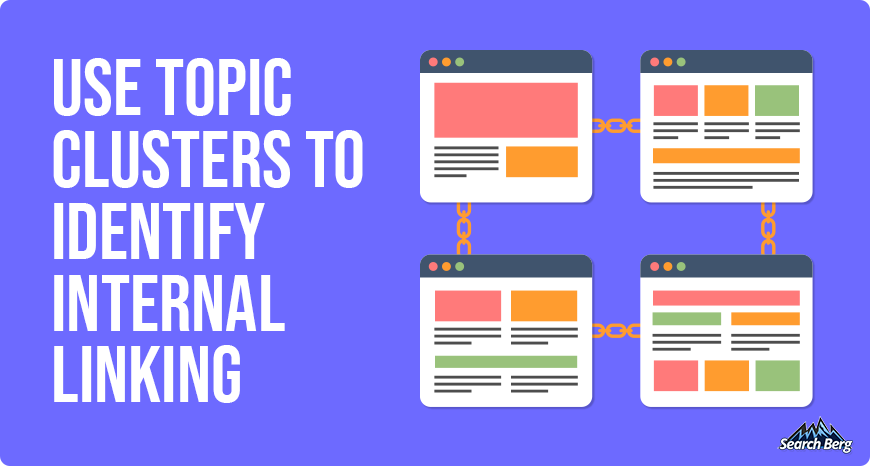
Topic clusters are a proven method. Here, a cornerstone page covers a broad subject, while supporting articles address subtopics. Linking flows both ways, reinforcing authority. For example, a main page on “SEO Services” links to articles about keyword research, technical SEO, and content strategy, while those articles link back to the service page.
Balance is essential. Too many links dilute authority, while too few leave pages isolated. Tools like Screaming Frog or Sitebulb can map your internal link architecture to reveal imbalances.
The goal is clear: ensure every important page is supported by a logical flow of internal links that guide users and signal relevance to search engines.
Internal Linking Best Practices for SEO
Applying internal linking best practices can dramatically improve rankings. Here are actionable tips:
- Use descriptive anchor text.Avoid generic terms like “click here.” Instead, use natural, keyword-relevant anchors. For example, “internal linking to boost rankings” signals clear relevance to Google.
- Maintain a logical hierarchy.Link structure should flow from homepage → categories → subpages. This mirrors how search engines process importance.
- Update old content.Linking older pages to new articles accelerates indexation. For instance, if you publish a new blog on “Core Web Vitals,” link it from older performance-related content.
- Place links in content, not just menus.Contextual links within articles carry more weight than footer or sidebar links.
- Spread authority naturally.Avoid over-linking to the same URL multiple times on one page.
A case study from NinjaOutreach showed that improving internal linking led to a 40% increase in organic traffic over 3 months. When applied consistently, these practices strengthen crawlability, distribute authority, and improve user engagement.
Understanding Internal Link Architecture
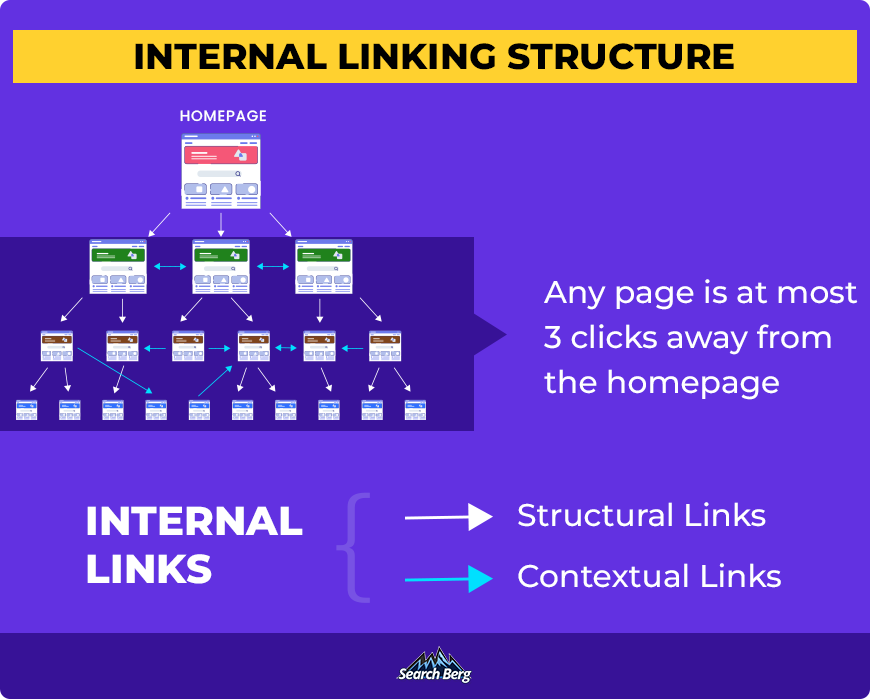
Internal link architecture describes the overall linking structure of your website. A flat structure means every page is only a click or two from the homepage. A deep structure buries content several layers down, making it harder for crawlers and users to reach.
Balanced architecture is the goal. Important pages, like services or cornerstone guides, should never be more than three clicks away. If they are buried, they lose visibility and authority. Google recommends clear linking paths to ensure bots can efficiently crawl content.
Your architecture also shapes the user journey. Logical links guide readers through related topics, keeping them engaged longer. For example, a blog on “SEO audits” might link to guides on “backlink audits” or “site speed optimization,” forming a natural flow.
By analyzing link depth and adjusting structure, you create a system that prioritizes valuable pages and ensures both crawlers and users can find them quickly.
Internal Linking and Crawl Equity
Crawl equity refers to how efficiently Googlebot allocates its crawl budget across your site. Internal links play a key role in this process. A site with broken structures or orphan pages wastes crawl resources, leaving important content undiscovered.
Strategic linking ensures bots follow clear paths. For example, linking product categories from the homepage signals their importance. Orphan pages, those with no incoming links, often fail to rank because they may never be crawled.
To improve internal linking crawl equity, link every page into your hierarchy. Remove or block duplicate parameter URLs that waste crawl budget. Tools like Ahrefs’ Site Audit can highlight crawl waste and recommend fixes.
By directing equity toward priority pages, you increase the chances of faster indexation and stronger rankings. Internal linking to boost rankings depends heavily on how efficiently crawl resources are managed.
Common Internal Linking Mistakes to Avoid
Even with the best intentions, mistakes in linking can harm performance. Avoid these pitfalls:
- Overusing exact match anchors.While keyword-rich anchors are useful, repeating the same phrase excessively looks manipulative.
- Linking excessively to the same URL.Multiple identical links on a page offer no added SEO benefit.
- Ignoring deep content.Blogs and resources often remain underlinked compared to main service pages. This leaves valuable information underutilized.
- Relying only on auto-generated links.Tag pages, category archives, or plugins create links, but without contextual value. Search engines prioritize contextual in-content links over automated ones.
By recognizing these errors, you can refine your internal linking strategy and improve both user experience and search visibility.
Practical Steps to Audit Internal Links
A structured audit highlights weaknesses in your linking setup. Here’s how to begin:
- Crawl your site.Use Screaming Frog, Ahrefs, or SEMrush to map link paths.
- Identify orphan pages.Any page with no internal links must be reintegrated.
- Check anchor text diversity.Over-optimized anchors should be adjusted to natural language.
- Fix broken or redirected links.These waste crawl resources and frustrate users.
- Redistribute equity.Link from high-authority pages to underperforming ones that deserve more visibility.
Auditing internal links regularly ensures your internal link architecture supports long-term SEO growth.
FAQs on Internal Linking to Boost Rankings
1. How many internal links should a page have for SEO?
There is no fixed number. Focus on relevance and user experience. A few well-placed links are better than dozens that distract or dilute authority.
2. Does anchor text matter in internal links?
Yes. Descriptive anchor text helps search engines understand context. For example, “internal linking to boost rankings” is more effective than “read more.”
3. What are orphan pages and why do they matter?
Orphan pages lack internal links. Google may struggle to find and index them. Linking them into your hierarchy ensures they contribute to your site’s authority.
4. Should I link from old content to new content?
Absolutely. Updating older articles with links to new pages helps Google discover and rank fresh content faster.
5. Can internal links help distribute crawl equity?
Yes. By linking strategically, you direct crawl equity to important pages, improving their chances of ranking higher.
Contact Us for Expert Help with Internal Linking Strategy
Internal linking is one of the most controllable SEO levers, yet it’s often underused. A thoughtful approach can improve crawl equity, strengthen authority signals, and drive higher rankings. If your current structure feels inconsistent, now is the time to act.
Contact Search Berg today for expert support with internal linking strategy, internal link architecture, and comprehensive SEO improvements. Our team has helped thousands of websites build stronger structures that lead to measurable growth. Start making your site work harder for you with an audit and strategy tailored to your goals.
Subscribe for More Insights
Explore more news, knowledge, and insights related to Google Business Profile and its uses.
No spam, just expert advice!