



How to Recover from a Google Core Update in 2025
Every time Google rolls out a core update, website rankings shift. For some, visibility improves. For others, it falls overnight. These updates are not punishments. Instead, they are broad changes to how Google evaluates content, user experience, and site quality. If your traffic has dropped, the first step is not to panic. Drops after an update can be temporary, but they are also an opportunity to make lasting improvements. In this blog, we will break down how to recover from a Google core update in 2025 with practical steps you can apply immediately.
Understanding Google Core Updates
Google releases several core updates each year. Unlike smaller adjustments, core updates are wide-reaching changes to how search results are ranked. They refine how Google interprets relevance, authority, and trust across billions of pages. According to Google Search Central, these updates are not site-specific penalties. Instead, they re-balance the signals that determine which content best satisfies a query.
For site owners, this means that a drop in rankings usually reflects how Google’s systems now view your content compared to competitors. It does not mean your site has been flagged for misconduct.
To recover, you need to align with the principles Google emphasizes: helpful, people-first content, strong expertise, and technically sound websites. This process takes time, but sites that consistently deliver high-quality experiences eventually regain visibility. In short, algorithm drop recovery requires both patience and action.
First Step: Confirming If You Were Impacted
Before making changes, confirm that your site was affected by a core update. Ranking fluctuations happen daily, so it’s important to distinguish between algorithm-driven changes and normal traffic shifts.
Use Google Search Console to review impressions, clicks, and indexed pages. Look for sudden drops beginning on or just after an announced update date. Tools like SEMrush Sensor and MozCast track volatility in search results and can help validate if your industry experienced shifts.
Also check Google Analytics for traffic drops across multiple landing pages, not just one or two. If the decline aligns with a core update announcement and affects broad areas of your site, it likely stems from algorithmic changes. Once confirmed, you can begin the steps to recover from a Google core update with targeted improvements instead of guesswork.
Audit Content Quality and Relevance
Content quality is central to SEO recovery after a core update. Google emphasizes E-E-A-T guidelines: Experience, Expertise, Authoritativeness, and Trustworthiness.
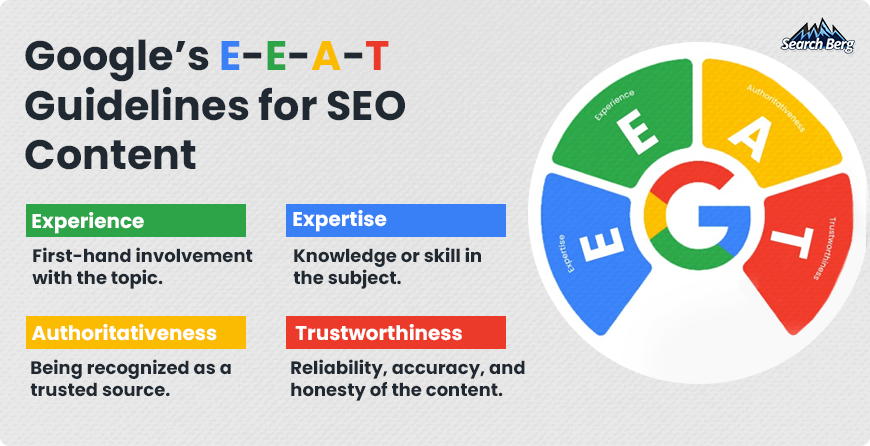
Start by reviewing your content with these questions:
- Does the article demonstrate first-hand knowledge or experience?
- Does it directly answer the user’s query?
- Is the information current and factually correct?
- Does the page avoid fluff, keyword stuffing, or vague claims?
Pages that lack depth or are outdated should be updated, merged, or removed. Thin content can pull down overall site quality, so pruning low-value pages often helps recovery.
Additionally, check how your content compares to top-ranking competitors. If your posts are shorter, less structured, or missing recent developments, it’s time to upgrade them. Use clear headings, concise explanations, and verifiable sources.
Finally, ensure that author information is visible on content pages. Demonstrating real expertise builds trust with both readers and search engines. Regularly refreshing high-traffic evergreen pages is one of the most reliable ways to strengthen visibility after an update.
Strengthen Technical SEO Foundations
Technical performance plays a major role in recovery. Even high-quality content struggles if your site is difficult for Google to crawl or for users to use.
Start with crawl and indexation. Review Google Search Console’s coverage reports for errors. Fix broken internal links, blocked resources, and redirect chains. Keep your XML sitemap clean and only include URLs you want indexed. This prevents wasted crawl budget and ensures search engines focus on your best pages.
Performance also matters. Google’s Core Web Vitals measure user experience. In 2024, Interaction to Next Paint (INP) replaced First Input Delay (FID) as the responsiveness metric. Aim for an INP under 200ms at the 75th percentile of user visits. Delays often come from heavy JavaScript or slow server responses, both of which can be fixed through optimization.
Regular technical audits help uncover lingering problems like duplicate tags, improper canonicalization, or mixed HTTPS content. By addressing these, you strengthen your foundation and improve your ability to recover from a Google core update effectively.
Reassess Backlink Profile and Authority
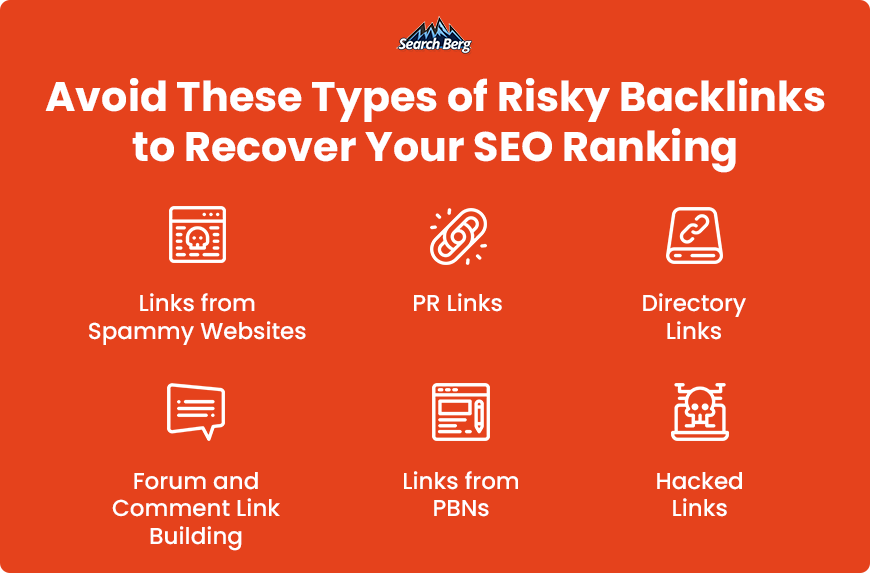
Backlinks remain a strong signal of authority. A poor link profile can hurt recovery efforts. Run a backlink audit to identify spammy or irrelevant domains pointing to your site. Tools like Ahrefs, SEMrush, or Google Search Console can highlight risky links. Disavowing or removing toxic links can prevent them from dragging down your site’s credibility.
Next, focus on earning links that reflect genuine authority. Citations in respected industry publications, partnerships, or guest articles from known experts carry more weight than dozens of low-value directory listings.
Healthy link building is gradual. Google rewards quality and relevance, not quantity. Over time, a strong backlink profile supports other improvements and aids SEO recovery after core update events. Think of backlinks as votes of confidence; valuable, but only if they come from the right sources.
Improve User Experience and Engagement Signals
Google doesn’t publicly share all ranking factors, but user behavior sends clear signals. Pages with poor click-through rates or high bounce rates may struggle to maintain visibility.
Start with design and readability. Use short paragraphs, clear fonts, and strong headings. Ensure your site is mobile-friendly, as most searches now happen on mobile devices. Pages that are difficult to use on smaller screens risk losing both users and rankings.
Check your site speed and accessibility. Compress images, remove unused scripts, and test with Google’s PageSpeed Insights. Fast-loading pages improve dwell time and encourage repeat visits.
Engagement also depends on offering next steps. Internal linking helps guide users to related resources, which lowers bounce rates and improves crawling. Better user experience leads to stronger engagement signals, supporting algorithm drop recovery.
Monitor, Adjust, and Stay Patient
Recovering from a core update is rarely immediate. Even after making improvements, results may take weeks or months to appear. Google itself has stated that broad updates reassess site quality over time and some changes may not be fully recognized until the next update.
Use Google Search Console and Analytics to monitor trends. Focus on steady progress rather than day-to-day fluctuations. Resist the urge to overhaul your site too often, as frequent drastic changes can make it difficult to assess what works.
Consistency pays off. Continue publishing high-quality content, fixing technical issues, and building authority. Over time, these actions create lasting gains and help with SEO recovery after core update events.
FAQs on Recovering from Google Core Updates
1. How long does it take to recover from a Google core update?
Recovery timelines vary. Some improvements are recognized quickly, but many take several months. Google has confirmed that some sites may not see significant changes until the next update cycle.
2. Does a Google core update mean my site was penalized?
No. Core updates are not penalties. They are broad reassessments of ranking signals. A drop in visibility reflects how your content compares to others after the update, not a penalty against your site.
3. What is the fastest way to recover from a core update?
Focus on three key areas: content quality, technical SEO, and user experience. Quick fixes or tricks rarely help. Improvements need to align with Google’s long-term quality guidelines.
4. Why did my rankings drop overnight?
If the timing aligns with a core update announcement, the drop may be tied to algorithm changes. Drops can also happen due to indexing issues, site errors, or stronger competition.
5. Should I remove low-performing content after a core update?
Yes, but carefully. Analyze performance first. In many cases, consolidating thin or outdated content into more comprehensive resources works better than deletion.
Need Professional Support for Algorithm Drop Recovery?
Core updates can be stressful, but they also create opportunities to strengthen your site for the long term. By addressing content quality, technical SEO, backlinks, and user experience, you give your site the best chance to recover. Recovery requires patience, but consistent improvements always pay off.
If you need additional guidance, seek expert support. A structured audit and recovery plan can make the process faster and more reliable. Contact Search Berg today for tailored help with algorithm drop recovery and SEO recovery after core update, so your business can regain rankings, traffic, and visibility with confidence.
Subscribe for More Insights
Explore more news, knowledge, and insights related to Google Business Profile and its uses.
No spam, just expert advice!