



How to Create an Effective PPC Budget and Stick to It
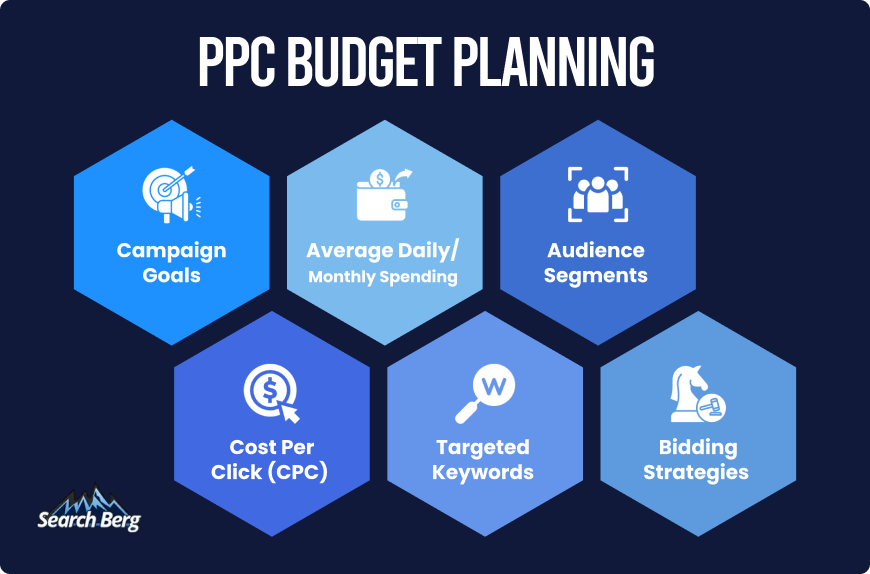
Managing a paid-advertising campaign without a solid budget is like driving a car with no fuel gauge. You might go fast at first, but you risk running out of road. That’s why PPC budget planning is critical.
Whether you’re using Pay‑per‑click (PPC) on search engines, social media, or display networks, you need a well-defined budget, clear allocation, and strong discipline to stick to your PPC budget.
This blog explains how to build a budget, how to maintain it, what to watch out for, and what to do if things go off-track.
Set Clear Goals and Give Them Numbers
Start by defining what you want your campaign to achieve: leads, sales, sign-ups, downloads, whatever. For each goal, ask: How many do we want, and what’s the allowable cost per result.
That gives you a target cost-per-acquisition (CPA) or return on ad spend (ROAS). With that, you can back into how much you should spend. For example, if you want 100 leads and are willing to pay $50 per lead, then your monthly budget is $5,000. That becomes part of your effective PPC spend strategy.
By the way, good news: PPC still delivers strong returns. One study shows businesses earn roughly $2 for every $1 spent on PPC advertising. Also, total search-ad spend is projected to hit over $350 billion in 2026.
Understand Your Market Costs and Benchmarks
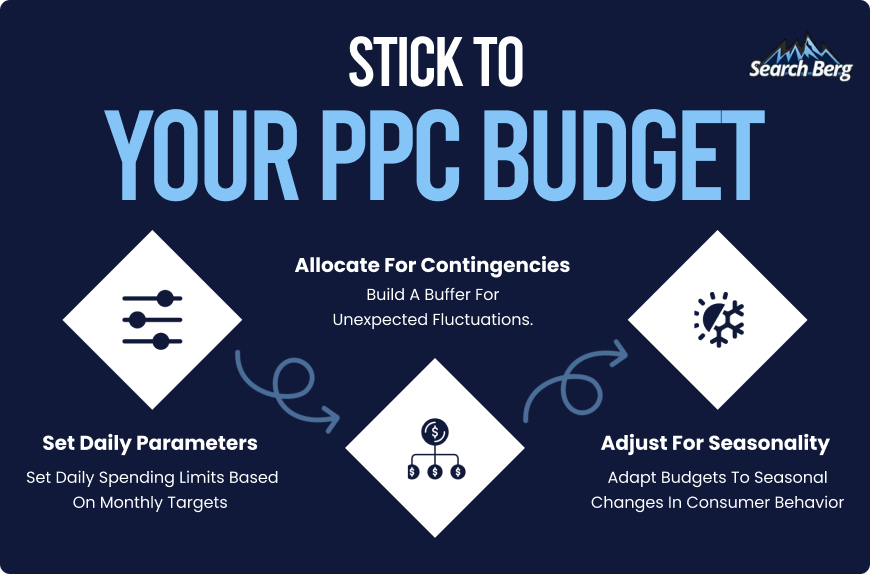
You cannot set a budget blindly. You must research typical costs for your industry: cost-per-click (CPC), conversion rates, and quality of traffic.
For instance, one report found the average click-through-rate (CTR) for Google search ads across industries is ~3.17%. If your conversion rate is 2% and CPC is $2.50, then each conversion costs $2.50 ÷ 2% = $125.
That means your budget must reflect those cost realities. Knowing these numbers helps you, via your PPC budget planning, to avoid unrealistic spending.
Allocate Budget by Channel & Campaign
Once you know your total budget and cost expectations, split the budget across channels (search, display, social), campaigns (brand, non-brand, remarketing) and periods (daily, weekly, monthly). For example: allocate 50% to search, 30% to remarketing, 20% to display. Then within search: 70% to non-brand keywords, 30% to brand keywords. This allocation is part of your effective PPC spend strategy.
In a scenario, you have $10,000 monthly budget. Search gets $5,000, remarketing $3,000, and display $2,000. If the search CPC is $3 and the average conversion rate is 4%, the search will generate about 5,000 / 3 = ~1,667 clicks → at 4% that’s ~67 conversions. Then you can measure if those 67 conversions meet your CPA target.
Build Safeguards and Monitoring to Stick to Your PPC Budget
Setting a budget is one thing; staying within it is another. Here are safeguards:
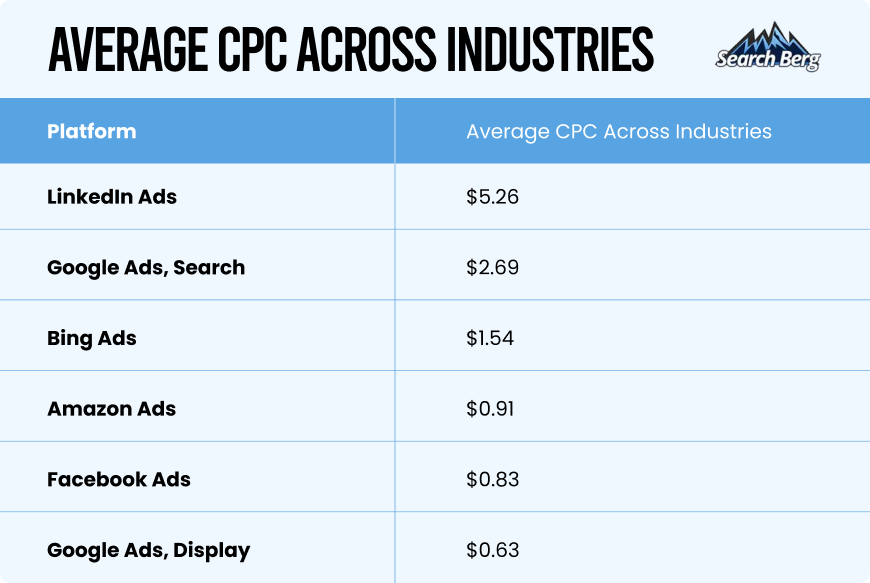
- Set daily spend caps and alerts when spend reaches a threshold.
- Use pacing controls (i.e., spread your spend evenly across the month to avoid front-loading).
- Monitor cost per acquisition, return on ad spend, and conversion quality.
- Watch automation and algorithmic bidding; many campaigns burn budget when automation goes unchecked.
One source warns:
“When you ignore what the algorithm is doing, you’re not really managing campaigns — you’re just paying for experiments.”
If you find spend is escalating above target without results, pause or reduce bids. This discipline ensures you stick to your PPC budget and don’t overspend chasing clicks.
Scenario: What If Spend Exceeds Budget?
Suppose mid-month, you find you’ve spent 60% of the monthly budget but only achieved 30% of target conversions. What do you do?
- First: Pause low-performing campaigns or keywords.
- Second: Shift budget to high-performing areas (remarketing, high-intent search).
- Third: Renegotiate goals: maybe reduce conversion volume but accept a higher CPA if needed.
- Fourth: Adjust pacing: Slow down spending for the remainder of the month.
In effect, you correct course and preserve budget integrity, essential for your effective PPC spend strategy.
Scenario: What If Conversion Quality Drops?
Imagine CPC stays the same, but the quality of conversions decreases (e.g., many leads but fewer sales). That means your budget is still being consumed, but ROI is diminishing.
Actions should be:
- Revisit keyword match types and exclude irrelevant queries.
- Improve landing pages and conversion tracking.
- Increase bid only on high-quality segments.
- Consider adjusting the budget down until quality stabilizes.
This reinforces that budget control isn’t purely a numbers game but also quality management, part of sticking to a budget that actually delivers business value.
Fact & Stat Highlights
These stats underline that PPC is big business and that properly budgeting matters.
- 93 % of marketers say PPC is an effective or highly effective channel.
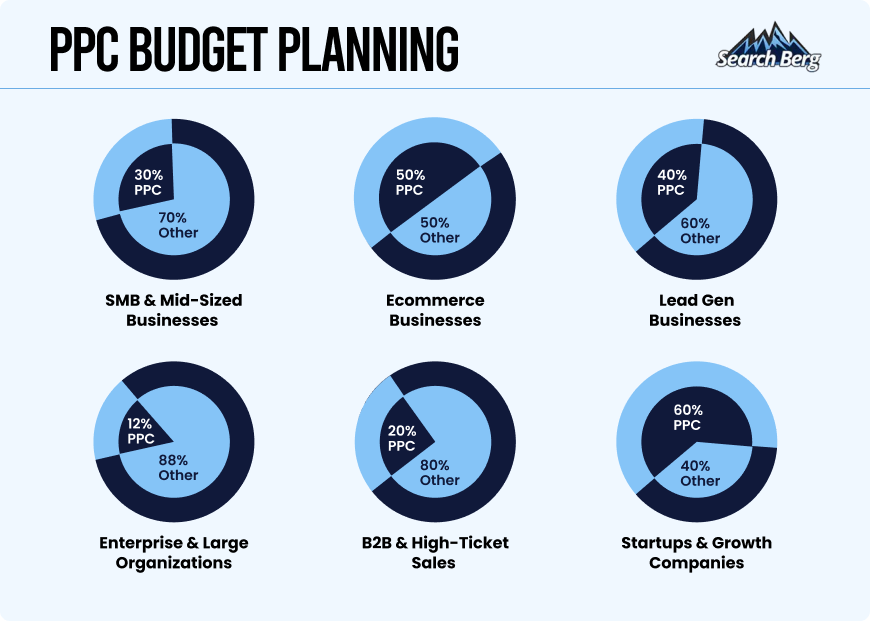
- On average, PPC campaigns cost small to mid-sized companies between USD 100 to USD 100,000 per month.
Do’s and Don’ts for PPC Budget Planning
Do
- Set realistic conversion goals and budgets aligned with industry costs.
- Segment budgets by channel and campaign type.
- Monitor in real-time and adjust.
- Include a margin for testing new keywords or channels.
Don’t
- Don’t set a budget and walk away. You’ll overspend or underperform.
- Don’t assume automation solves everything. Unchecked algorithms may consume budget inefficiently.
- Don’t ignore conversion quality for click volume.
- Don’t forget to review performance weekly or monthly and re-allocate as needed.
FAQs
1. What is a PPC budget and why is it important?
A PPC budget is the amount of money allocated for paid advertising campaigns. It ensures campaigns run effectively, prevents overspending, and helps achieve targeted ROI. Without a clear budget, ad spend can become inefficient and results unpredictable.
2. How do I calculate my PPC budget?
Start by defining campaign goals and desired outcomes, then calculate target cost per acquisition (CPA) or return on ad spend (ROAS). Multiply your desired results by the expected CPA to get a realistic monthly budget. Factor in seasonal fluctuations and testing.
3. How can I stick to my PPC budget?
Use daily spend caps, pacing controls, and real-time monitoring. Track campaign performance and adjust bids or pause low-performing campaigns. Avoid letting automated bidding run unchecked and review results regularly.
4. What should I do if my ad spend exceeds the budget?
Pause underperforming campaigns, reallocate funds to high-performing areas, adjust pacing for the rest of the month, and consider revising goals if necessary. The key is correcting course quickly to maintain ROI.
5. How do I handle drops in conversion quality?
Analyze keyword targeting, refine match types, and optimize landing pages. Focus spend on high-intent segments and pause or reduce low-quality traffic sources. Quality control ensures your budget delivers meaningful results.
6. How often should I review my PPC budget?
Weekly monitoring is recommended for active campaigns, with a deeper monthly review to analyze trends, adjust allocation, and plan for upcoming campaigns or seasonal shifts.
7. Can small businesses benefit from strict PPC budget planning?
Absolutely. Proper budget planning ensures every dollar counts, avoids wasted spend, and enables even small businesses to compete effectively with larger advertisers.
8. What are common mistakes to avoid with PPC budgets?
Ignoring cost-per-click benchmarks, failing to monitor campaigns, over-relying on automation, and neglecting conversion quality. Always pair budgeting with active performance tracking.
Final Thoughts
Your budget is the foundation of your campaign. Without proper PPC budget planning, you risk wasted spend, weak returns, and frustrated stakeholders. With a clear budget aligned to goals, a disciplined, effective PPC spend strategy, and mechanisms to stick to your PPC budget, you give your campaigns a solid chance to succeed.
If you’re ready to scale but want help designing, implementing, and managing your budget-driven PPC strategy, partnering with an experienced PPC management consultant can make all the difference. Contact Search Berg today, let’s build a custom plan that fits your business goals and ensures every dollar is tracked and optimized.
Reach out now to get a free audit of your current ad spend and a tailored budget blueprint!