



How AI-Powered Google Search is Changing GMB Visibility
Over the past few years, AI-powered Google Search has completely transformed the way businesses appear online. From smart algorithms to AI-driven ranking updates, Google’s search engine is no longer just about keywords. It’s about intent, context, and user experience.
And for local businesses, this shift is reshaping Google Business Profile visibility (previously Google My Business). If you’ve noticed sudden changes in how often your listing appears, or the kind of searches it shows up for, you’re not imagining it. Artificial intelligence is playing a bigger role than ever before.
Let’s explore how AI is redefining the rules of local discovery and what you can do to stay visible in a rapidly changing digital landscape.
The Rise of AI in Google Search
Google’s evolution from a keyword-based search engine to an AI-driven ecosystem has been steady but revolutionary. The introduction of RankBrain, BERT, and Search Generative Experience (SGE) has made Google’s algorithms smarter at understanding language and user intent.
Instead of focusing solely on what users type, Google now analyses what they mean. This means your content and listings are being evaluated on context, tone, and relevance, and not just keywords.
In practical terms, AI-driven search helps Google predict what users want before they even finish typing. For local businesses, this is a double-edged sword: it increases competition but also opens up new opportunities for those who optimize effectively.
How AI Affects Google Business Profile Visibility
1. Relevance Is Now AI-Defined
Previously, businesses could rank higher on Google Maps or local packs simply by stuffing keywords or collecting reviews. However, with AI-powered Google Search, relevance is now determined by intent.
For example, when someone searches “best café near me that’s open late,” Google doesn’t just look for cafés; it uses AI to identify which cafés fit that specific user’s preferences, like late-night hours or trending popularity.
So, businesses that consistently update their Google Business Profile visibility with accurate information, fresh posts, and user engagement will have a stronger chance of ranking higher.
2. Visual Content Plays a Bigger Role
AI models now interpret visual elements, including photos, videos, and logos, on your business profile to understand quality, relevance, and authenticity.
If your images are outdated, low-quality, or irrelevant, AI may deprioritize your listing. On the other hand, regularly uploading professional, location-tagged images enhances Google Business Profile visibility and builds user trust.
3. AI Personalization Impacts Local SEO
Google’s AI systems analyze each user’s search history, location, and behavior to deliver personalized results. This means no two users will see the exact same local pack.
That’s why local SEO for small businesses needs a more personalized approach. Instead of targeting generic keywords, focus on your community: optimize for local intent, create location-specific landing pages, and use conversational tone in your posts.
Example: Instead of “plumber near London,” target “certified plumber for emergency leaks in East London.” It feels natural, and Google’s AI can match that to specific user queries more effectively.
AI-Driven Reviews and Sentiment Analysis
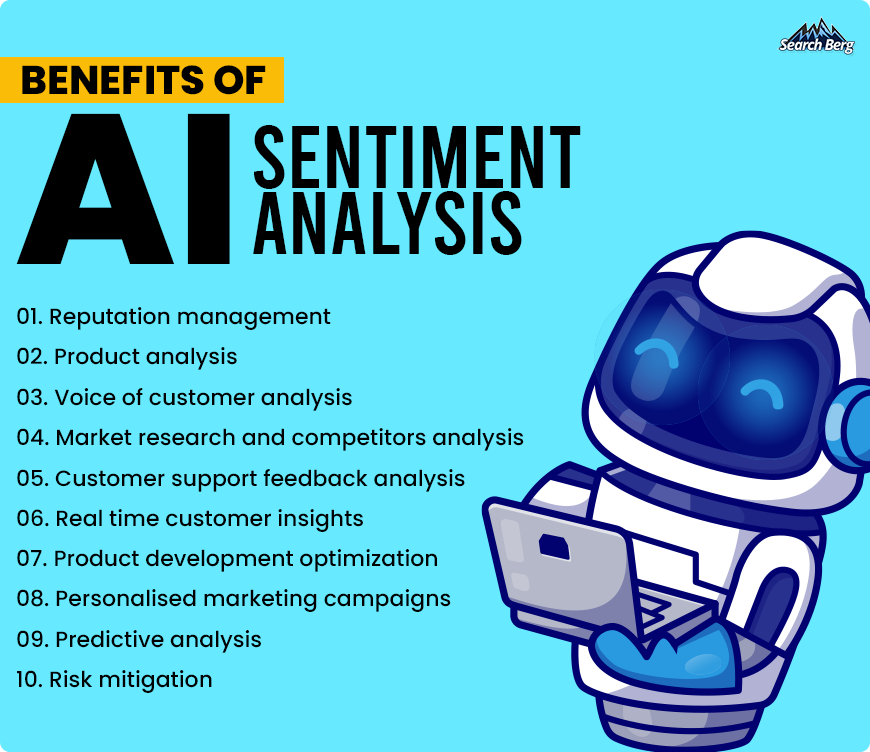
Customer reviews have always influenced local rankings, but now AI takes it further. Google analyses not just the quantity but the sentiment behind reviews.
Positive, detailed reviews with specific mentions of your services (like “fast delivery” or “friendly staff”) carry more weight than generic praise. Meanwhile, negative reviews can impact your visibility unless you respond quickly and professionally.
Regularly responding to reviews and using relevant local keywords helps Google’s AI associate your profile with trustworthiness and engagement, both of which improve Google Business Profile visibility.
Voice Search and Conversational AI
Voice search has become one of the fastest-growing trends, driven by AI assistants like Google Assistant, Alexa, and Siri. When people say, “Find a nearby coffee shop with outdoor seating,” AI processes the context, tone, and local relevance.
This shift makes local SEO for small businesses even more critical. To capture voice-based searches:
- Write naturally, using conversational phrases.
- Add Q&A-style content to your site and Google profile.
- Include business hours, service areas, and detailed descriptions.
By aligning your tone and structure with how real people speak, you increase your chances of being surfaced by AI-driven voice results.
The Power of SGE (Search Generative Experience)
With the rollout of Search Generative Experience, Google now generates AI summaries above organic results. These summaries highlight key information directly from verified and relevant sources, including Google Business Profiles.
This means that if your business information is accurate, descriptive, and up-to-date, Google may use snippets from your profile in these summaries, boosting visibility even further.
For businesses, this makes consistent updates and active engagement with your GBP absolutely vital.
How to Optimize Your GMB Profile for AI-Powered Search
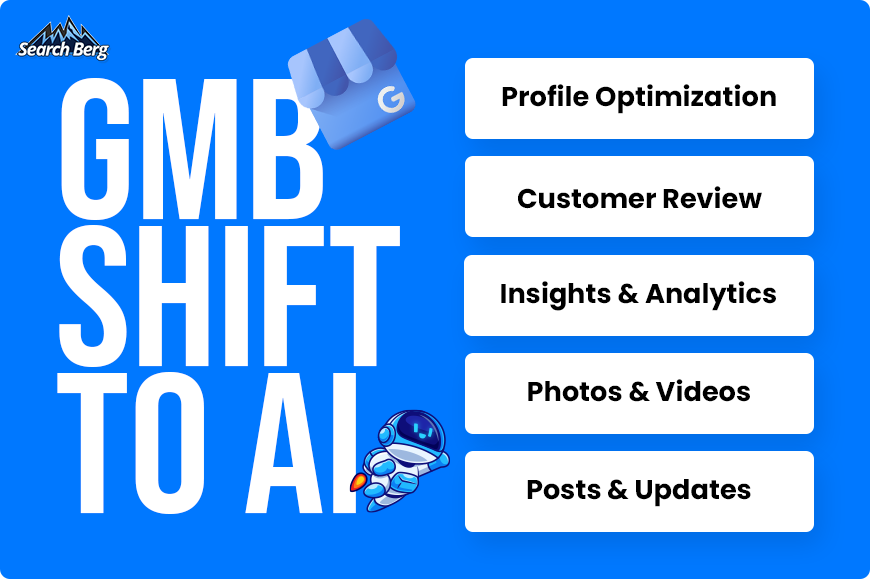
- Use precise, conversational keywordsthat reflect user intent rather than keyword stuffing.
- Add local schema markupto help Google’s AI understand your location and services.
- Post regular updates, such as new offers, events, or announcements.
- Upload authentic media, including photos, short clips, and customer experiences.
- Encourage detailed reviewsthat mention specific services and locations.
Remember: AI rewards authenticity, consistency, and value-driven information.
FAQs
Q1. How is AI changing the way Google ranks local businesses?
AI evaluates Google Business Profiles by looking beyond traditional keywords. It considers user intent, engagement patterns, review sentiment, and even contextual relevance from nearby searches. This means businesses that actively respond to reviews, post timely updates, and provide detailed, helpful information are more likely to appear in search results. The focus has shifted from simply having a listing to creating an interactive, informative profile that satisfies the queries users are actually asking. Understanding how AI interprets signals can help businesses maintain visibility and attract quality leads.
Q2. What types of content now perform best for AI-driven local search?
Content that aligns with natural language queries is prioritized. AI favors conversational descriptions, FAQs, posts answering common customer questions, and updates that reflect real-time business activity. Visual content, such as photos and videos also contributes, as AI can interpret them for relevance. Businesses benefit by framing content around the way people naturally ask questions or search for solutions, rather than forcing in exact keywords. Keeping content dynamic and audience-focused signals to AI that your profile is active, relevant, and trustworthy, which can significantly boost visibility in Google local search results.
Q3. How can small businesses maintain an edge in AI-powered Google searches?
Consistency and engagement are crucial. Regularly updating your Google Business Profile with new services, promotions, or announcements helps AI recognize that your business is active. Collecting and responding to reviews demonstrates credibility and relevance. Structured content that answers customer questions improves discoverability in both traditional and voice searches. Using local SEO strategies combined with AI-friendly content ensures your business appears for searches that matter most. Monitoring performance analytics allows you to refine your approach, adapting to AI behavior and staying ahead of competitors in your area.
Q4. Will voice search change the way customers find local businesses?
Voice searches rely on natural speech patterns, meaning customers often ask questions in full sentences rather than short keywords. AI interprets these queries contextually, connecting intent with local relevance. Businesses that provide clear, conversational information, like hours, directions, or service details are more likely to show up in voice search results. Incorporating FAQs, schema markup, and natural phrasing in your Google Business Profile improves the chances of being selected. Optimizing for voice search also helps with mobile discovery, as more people rely on digital assistants to find nearby services quickly.
Q5. How can Search Berg help businesses thrive in AI-driven local search?
Search Berg specializes in optimizing Google Business Profiles and local SEO strategies that align with AI-powered search algorithms. Our team focuses on content creation, review management, and profile enhancements tailored to user intent and engagement. We help businesses structure data for voice search, maintain up-to-date listings, and monitor performance metrics to refine their online presence. By combining AI insights with practical marketing tactics, Search Berg ensures your business reaches potential customers effectively, increasing visibility, traffic, and conversions while staying ahead in an increasingly AI-driven search landscape
Ready to Boost Your GMB Visibility?
If you’ve noticed a drop in your rankings or fewer calls lately, it’s time to adapt your strategy. At Search Berg, we specialize in local SEO for small businesses, helping brands thrive in the age of AI-powered Google Search.
From GMB optimization to review management and content updates, we’ll make sure your business stays visible, credible, and ahead of the competition.
Let’s make your Google Business Profile work smarter. Get a free consultation today!
No spam, just expert advice!